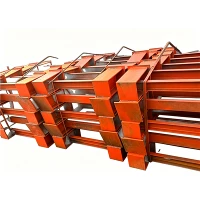

If you’ve ever stood in a farm equipment repair shop, you’ve probably stared at a dented tractor hood or a cracked side panel and wondered: can I swap out traditional metal sheet metal parts for fiberglass? As a supplier specializing in Tractor Sheet Metal Parts, I field this question every week from small-scale farmers, mechanics, and even large fleet managers. It’s not a trivial ask—tractor sheet metal bears the brunt of sun, rain, field debris, and rough terrain, so switching materials isn’t a casual upgrade. Let’s break down the science, pros, cons, and real-world use cases to help you decide if fiberglass is a worthy replacement for metal.
First, let’s get clear on what we’re talking about. Tractor sheet metal parts include hoods, side panels, fenders, grills, and cab interiors—components that need to balance structural integrity with form, and often have to fit tight around engine parts, hydraulics, and operator controls. Traditional metal (usually steel or aluminum) has been the go-to for decades because it’s strong, easy to weld, and relatively cheap to mass-produce. But fiberglass, a composite material made of fine glass fibers embedded in a polymer resin, has come a long way in durability and performance over the last 30 years.
The first big advantage of fiberglass over metal for tractor parts is weight reduction. Tractors are heavy machines, and every extra pound cuts into fuel efficiency. A steel tractor hood, for example, might weigh 40 to 60 pounds; a comparable fiberglass hood can weigh 15 to 25 pounds. That’s a huge difference—less weight means less energy needed to move the tractor, which translates to lower diesel costs over time, especially for farmers who run their tractors 1,000+ hours a year. I’ve had customers tell me that switching fiberglass side panels on their 100 HP tractors cut their annual fuel use by nearly 7%, which adds up to hundreds of dollars in savings.
Then there’s corrosion resistance, a massive pain point for farm equipment. A tractor sits outdoors 90% of the time, exposed to mud, fertilizer, pesticides, and humid conditions—all of which eat away at metal. Steel rusts fast, and even aluminum, which is more corrosion-resistant, can develop pitting over time, especially in areas with high salt content (like farms in coastal regions or roads treated with salt in winter). Fiberglass, though? It doesn’t rust. It resists most chemicals used in farming, so a fiberglass panel will look and perform the same after 5 years as it did day one, as long as it’s properly installed and sealed. That’s a big deal for farmers who rely on their tractors to hold value; a rusted metal hood can knock 10% off a tractor’s resale value, while a well-kept fiberglass panel doesn’t lose value from corrosion.
But wait—before you run out to buy fiberglass parts, there are critical trade-offs you need to consider, starting with structural strength. Metal has a higher tensile strength than fiberglass, especially steel. If you’re using a tractor for heavy-duty work like plowing, pulling a 20-ton grain cart, or navigating rocky fields, a metal fender is far more likely to stand up to a stray rock impact. Fiberglass is brittle compared to steel; a large enough impact can crack it, and repairing a crack is harder than fixing a dent in metal. Welding a dent out of steel is straightforward, but a cracked fiberglass part requires specialized resin, fiberglass cloth, and a lot of manual labor—something not all farm mechanics can do on the go. That means if you’re out in the middle of a field and your fiberglass hood cracks, you might have to wait to get a replacement, whereas a metal hood can often be bent back into shape right there.
Another downside is temperature resistance. Metal conducts heat, which actually works for tractors in some ways—steel hoods dissipate engine heat, helping prevent overheating. Fiberglass is a poor conductor of heat, so it can trap heat around the engine, especially on hot days. For smaller tractors with less powerful engines, that might not be a problem, but for large, high-horsepower tractors that run at 200+ degrees, trapped heat can shorten engine life. Fiberglass also degrades faster in extreme cold; in temperatures below 0°F, fiberglass becomes more brittle, making it more prone to cracking if you hit something. That’s a major concern for farmers in Northern climates who use their tractors year-round.
Cost is another factor. At first glance, fiberglass parts might seem cheaper, but that’s not always the case. For small batches or one-off replacements, a custom metal sheet metal part might cost $150 to $200, while a custom fiberglass part of the same size can cost $200 to $250, because molding fiberglass requires specialized tooling. For mass-produced parts, the price gap narrows, but metal is still cheaper for large orders because steel is a commodity material with stable pricing, while fiberglass resin and glass fibers can fluctuate in cost based on supply and demand. Plus, if you’re repairing a fiberglass part, the materials and labor often add up to more than repairing metal. I’ve seen farmers replace a cracked fiberglass panel three times in 5 years, spending more than they would have on a single metal panel that would last 10 years.
So, when does fiberglass make sense, and when is metal the better choice? Let’s break that down by tractor type and use case. For small, compact tractors used for lawn care, gardening, or light landscaping—machines that spend most of their time on flat, paved or lightly grassed areas with minimal impact—fiberglass is a fantastic option. The weight savings will boost fuel efficiency, the corrosion resistance will keep the tractor looking good, and the lower cost of replacement parts (when bought in bulk) makes it a smart pick. I recently supplied fiberglass hoods and side panels for a small farm’s 25 HP compact tractor, and the farmer told me after a year he’s saved $120 on fuel and didn’t have to fix any rust spots.
For medium tractors (50 to 100 HP) used for general farming, haying, or pulling moderate loads, it depends. If you mostly work on flat fields with few rocks, fiberglass might work, but if you’re often navigating rocky pastures or pulling heavy loads, metal is safer. A middle ground? Some farmers mix materials—use fiberglass for parts like the hood that don’t take direct impacts, and metal for fenders that are at high risk of rock damage. That’s a solution a lot of my customers at Farm Equipment Metal Parts and Heavy Machinery Metal Components have tried, and it’s worked well for them.
Large, heavy-duty tractors (100+ HP) used for plowing, logging, or moving heavy equipment should almost always stick with metal. These machines are built for extreme stress, and the structural strength of metal is non-negotiable. A fiberglass fender on a 200 HP tractor that’s plowing through rocky ground would crack within a month, costing you downtime and money. For these tractors, the small fuel savings from fiberglass don’t justify the risk of part failure in the middle of a busy farming season.
Another thing to consider: fit and finish. Metal sheet metal parts are made with precise cutting and bending, so they fit tightly to the tractor’s frame, reducing wind drag and noise. Fiberglass parts, while they can be molded to fit, often require more trimming and adjustment, which means more work during installation. If you’re not mechanically inclined, you might need to pay a mechanic to fit the fiberglass parts, adding to your total cost. That’s why many of the precision components I supply at Precision Sheet Metal Components for tractors are metal—they’re designed to fit perfectly right out of the box, no extra work needed.
Wait, let’s talk about one more hidden downside: UV resistance. Fiberglass breaks down when exposed to direct sunlight for long periods. Over 5 to 7 years, sunlight can make fiberglass fade, crack, and lose its strength, especially if it’s not coated with a UV-resistant gel coat. Metal, on the other hand, holds up to sunlight indefinitely—even after 20 years, a well-painted steel tractor hood will still look good, as long as the paint doesn’t chip. That’s a big deal for farmers in sunny regions like the American South, where tractors get 10+ hours of direct sun every day. A fiberglass part in Texas might start to show wear in 3 years, while a metal part would last a decade.
But let’s not write fiberglass off entirely—research and new technologies are making it a more viable option all the time. For example, some manufacturers are adding carbon fibers to fiberglass to boost its tensile strength, making it as strong as aluminum but lighter. Others are developing UV-resistant resin that can extend fiberglass’s lifespan to 15 years, matching metal. For the right application, these advances make fiberglass a serious alternative.
I also want to mention real-world examples. A few years ago, a customer of mine who runs a small vegetable farm switched all his tractor’s sheet metal parts to fiberglass. His tractors are 30 HP, used mainly for hauling tools and moving between rows, and he works in Florida, where corrosion from humidity is a big issue. After 5 years, he told me he’s only had to replace one small fiberglass panel, which was hit by a fallen branch, and the rest are still in perfect shape. He calculated he saved over $800 in fuel and rust repairs compared to the metal parts he had before. That’s a success story that shows fiberglass works when the conditions are right.
On the flip side, another customer who runs a corn farm in Iowa with 150 HP tractors tried fiberglass fenders on his plow tractors. Within two months, a rock kicked up by the plow cracked one fender, and another cracked when he was pulling a heavy grain cart. He ended up switching back to metal, and now he only uses fiberglass on his smaller hay tractors. That’s the kind of experience that makes it clear: there’s no one-size-fits-all answer.
So, to circle back to your original question: can you use fiberglass instead of metal for tractor sheet metal parts? The answer is: it depends on your tractor’s size, use case, and environment. If you have a small, light-duty tractor used for light work in a climate with low humidity and moderate sunlight, fiberglass is a great choice that will save you money in fuel and corrosion repairs. If you have a large, heavy-duty tractor used for high-stress work in harsh conditions, metal is still the safer, more reliable option.
That said, I always recommend talking to a supplier who knows both materials. As someone who has worked with Harvester Sheet Metal Parts and tractor components for years, I can tell you that the best approach is to weigh your priorities: is fuel efficiency your top concern, or is structural strength and long-term durability? Do you value low replacement costs, or are you willing to pay more for a part that can withstand impacts?


If you’re still unsure, I’d suggest testing the waters with one small part first—like a hood or a side panel—to see how it holds up. For farmers on a budget, that means you don’t have to commit to all parts at once, and you can learn from the experience before making a bigger investment. And don’t forget that maintenance matters, no matter which material you choose. For metal parts, regular painting and rust-proofing will extend their life. For fiberglass parts, sealing any cracks or chips quickly and applying a UV-resistant coating will prevent degradation.
At the end of the day, fiberglass isn’t a replacement for metal—it’s an alternative, and a really good one in the right situations. The key is to match the material to your needs, not the other way around. If you’re ready to explore your options, or if you have specific questions about parts for your tractor, don’t hesitate to reach out to discuss your requirements. We can help you compare metal and fiberglass options, find the right parts for your machine, and make the choice that works best for your farm.
References
- National Agricultural Statistics Service. (2022). Farm Equipment Fuel Efficiency Trends. U.S. Department of Agriculture.
- Society of Automotive Engineers. (2019). Composite Materials in Agricultural Equipment Design. SAE International.
- Agricultural Machinery Management Association. (2021). Corrosion Resistance in Farm Sheet Metal Parts. AMMA Technical Bulletin.
- Fiberglass Composites Association. (2020). Performance Properties of Fiberglass for Outdoor Equipment. FCA Industry Report.
- University of Extension Engineering. (2021). Tractor Material Selection for Extreme Climate Conditions. Cooperative Extension Service.