
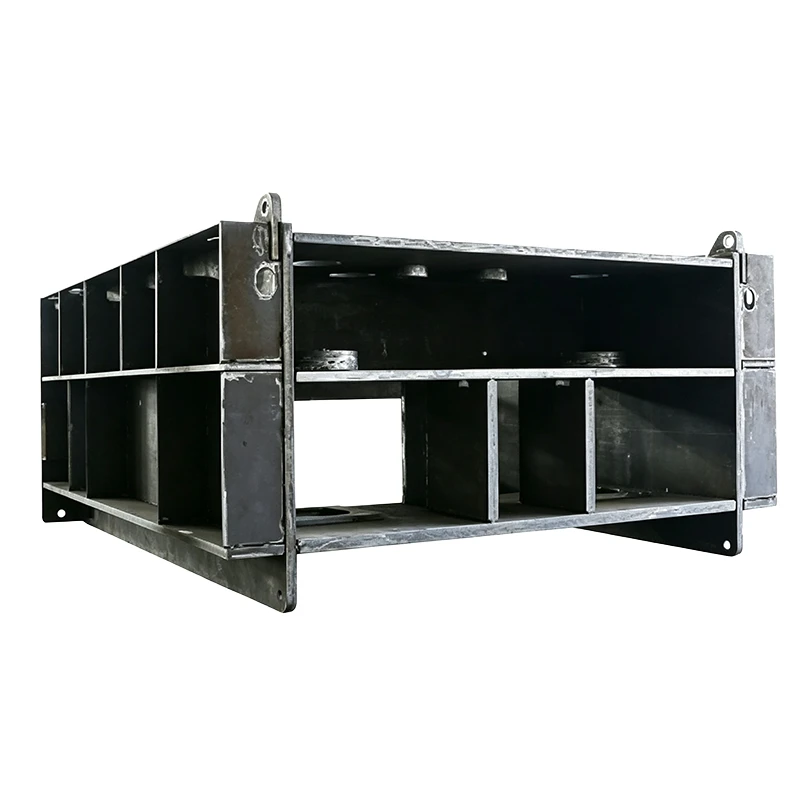
Hey everyone, if you’ve ever dealt with a harvester that’s been out in the middle of a field after a rough run, you know the pain—especially when the frame’s broken. As someone who runs a Harvester Frame Welding shop, I’ve seen way too many farmers and farm crews try to patch up those frames on the fly, only to end up with more issues later. A broken harvester frame isn’t just a small fix; it’s the backbone of your whole machine, so cutting corners here can lead to costly downtime. Let me walk you through how to actually repair it right, the way we teach our team at the shop, and why doing it wrong can mess up your harvest season.
First off, before you even pick up a welding torch, you gotta stop and assess the damage. I can’t tell you how many times a customer’s showed up with a quick fix they tried on a crack, only for that crack to spread like wildfire because they didn’t check the whole frame. Harvester frames take a beating—they’re carrying heavy grain heads, dealing with bumpy fields, and shifting tons of weight all season. So start by getting the machine on a level surface, maybe use jack stands rated for way more than the harvester’s weight (safety first, right? I’ve seen too many near-misses here). Then, do a full walkaround: check for cracks, bent sections, or warped metal. Pay extra attention to stress points—those are the spots where the frame connects to the wheels, the axles, and the grain transport system. If you ignore a small crack near an axle mount, that’s gonna blow up mid-harvest.
Next, you need to prep the area properly. Welding on metal that’s got dirt, rust, or old paint? That’s a no-go. We always grind those spots down to bare, smooth metal. Rust is a big one because it makes the weld weak—like trying to glue a dusty plate. Also, if the frame’s been bent, you can’t just weld over it. We use a hydraulic press to bend it back into shape first. Skipping that step is why so many temporary fixes fail. I remember a farmer last year who tried to weld a bent frame without straightening it, and two weeks later the grain head was lopsided, costing him a whole week of harvest.
Now, the actual welding part. This is where a lot of people mess up. Harvester frames are usually made of high-strength steel, not regular mild steel, so you can’t just use any old welding rod. We go for E7018 electrodes because they’re designed for high-strength structural welds—perfect for stuff that takes constant stress. And here’s a tip: don’t just weld a single bead. Do multiple passes, each time making sure the weld penetrates all the way through the metal. We also preheat the area a little, especially if it’s cold outside, because high-strength steel can crack if you heat it too fast. If you’re in a hurry, that’s when mistakes happen.
Wait, and don’t forget about supporting parts. A harvester frame isn’t alone—it connects to all sorts of agricultural components, and that’s where specialized work comes in. For example, if your repair is near a bracket that holds the auger, you might want to check out agricultural bracket welding techniques to make sure that part is as strong as the frame itself. The same goes if your machine uses parts similar to tractor frames—tractor frame welding best practices translate over, since both take heavy load stress. And if you’re dealing with anything that’s part of a larger welded structure, like railway embedded parts have their own precision needs, harvester frames demand that same level of accuracy because one wrong weld here can throw off the entire machine’s alignment.
Once the welding is done, you can’t just fire up the harvester and go. You have to let it cool down slowly—we usually let it sit for a few hours, not just 10 minutes. Then, inspect the welds. Tap them with a hammer; if they sound dull, that’s good, but if they ring like a bell, there’s a void inside—you gotta fix that. Some folks use magnetic particle testing to check for hidden cracks, which is super helpful for hard-to-see spots. Last thing: grind the welds smooth so there’s no sharp edges catching debris in the field.
Now, why go to all this trouble? Because a bad frame repair isn’t just a hassle. It can lead to misaligned components, which makes your harvester use more fuel, or even break down during peak harvest season when every day counts. At our Harvester Frame Welding shop, we’ve seen farmers save thousands by getting the repair done right the first time, instead of patching it up three times. We also do a lot of work with construction machinery welded components too, so we bring that same heavy-duty expertise to harvesters.
If you’re not sure you can do this yourself, don’t risk it. Call a pro who knows how to work with harvester frames specifically. A lot of general welders don’t get the unique stress these machines go through, but someone who specializes in harvester and other agricultural frames will know exactly what to do. And if you’re in the market for durable, replacement parts that won’t need frequent repairs, checking out our Harvester Frame Welding page can give you an idea of the quality we bring to every project.
When you’re dealing with farm equipment, downtime is your enemy. A broken frame doesn’t have to be the end of your harvest, but it does need the right approach. Skip the quick fixes, take time to assess and prep, use the right materials, and don’t forget the supporting parts that hold your machine together. If you’re ready to get your harvester back up and running, reach out to us to talk through your repair needs—we’re here to make sure your frame is strong enough to handle whatever the fields throw at it.

References
- AWS D1.1/D1.1M: Structural Welding Code - Steel. American Welding Society, 2020.
- Agricultural Machinery Repair Manual. John Deere, 2021.
- Welding High-Strength Steels for Heavy Equipment. Lincoln Electric, 2022.