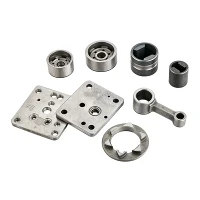

If you’ve ever stood at a railway station watching a train glide smoothly along the tracks, you’ve probably never given much thought to the small, critical components that hold the whole system together. Railway embedded parts—those unseen fasteners, plates, and anchors secured into concrete track beds to connect rails, sleepers, and signaling systems—are workhorses of rail infrastructure. But their biggest enemy? Corrosion. Exposed to rain, snow, salt from de-icing agents, and the constant vibration of heavy trains, these parts would fail within years if not made with materials designed to resist degradation. As a supplier of Railway Embedded Parts, I field this question constantly: What materials actually go into anti-corrosive railway embedded parts? The answer isn’t one-size-fits-it-all—it depends on where the track runs, how it’s installed, and the loads it carries. Let’s break down the science behind these materials, how we test them, and why choosing the right one matters for rail longevity.

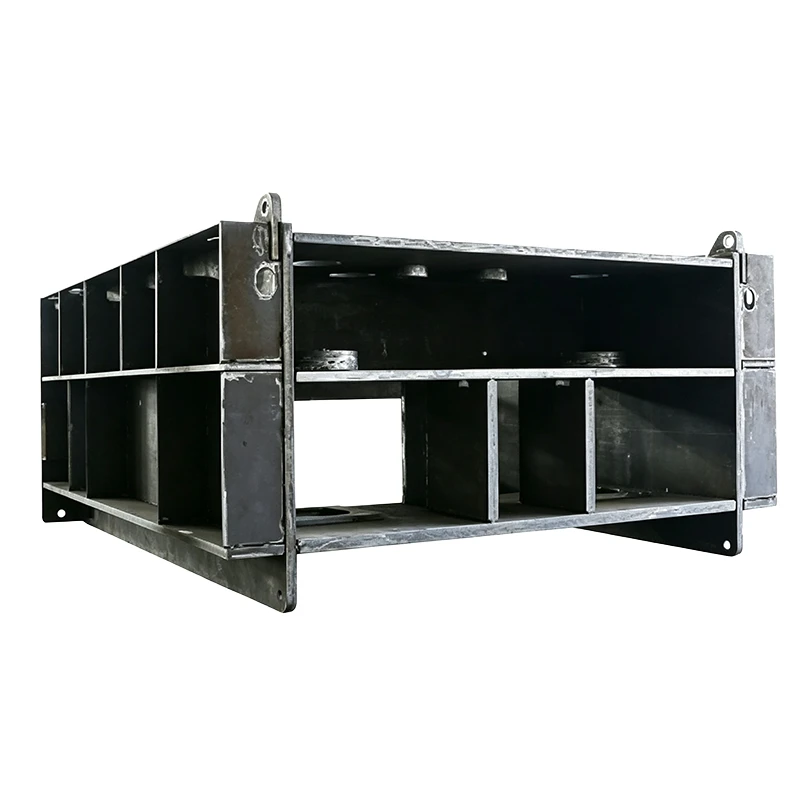
First, let’s start with steel, the backbone of almost all railway components, and the most common material used for anti-corrosive embedded parts. Carbon steel is strong and affordable, but it’s inherently prone to rust when exposed to moisture and chemicals. That’s why we rely on treated carbon steel for most standard embedded parts. The most popular anti-corrosion treatment here is hot-dip galvanizing, a process where steel is dipped into molten zinc to create a thick, protective zinc coating. This coating acts as a sacrificial barrier: if a scratch breaks through the zinc, the zinc corrodes first, shielding the underlying steel from rust. For parts installed in areas with moderate humidity—like rural rail lines in temperate climates—hot-dip galvanized carbon steel works perfectly. But it’s not enough for harsher environments. For example, tracks in cold regions where roads and rails are sprayed with calcium chloride or sodium chloride to melt ice face far more aggressive corrosion. In those cases, we move to galvanized steel with a thicker coating (often referred to as “G60” or “G90” coating, indicating the zinc weight per square foot) or add a post-galvanizing passivation treatment to seal any tiny gaps in the zinc layer.
But galvanized steel has its limits. In highly corrosive zones—coastal areas where saltwater spray is constant, or industrial regions with high airborne chemicals like sulfur dioxide—even thick zinc coatings can break down in a decade or less. That’s why we turn to stainless steel for these extreme applications. Stainless steel is an alloy of iron, chromium, and other elements (like nickel or molybdenum) that forms a self-healing chromium oxide layer when exposed to oxygen. This layer is only a few nanometers thick, but it blocks moisture and chemicals from reaching the steel underneath, making stainless steel almost immune to rust. For railway embedded parts, we use two main stainless steel grades: 304 and 316. 304 stainless steel, with 18% chromium and 8% nickel, is sufficient for mild coastal or lightly industrial areas. 316 stainless steel, which adds 2-3% molybdenum, is the go-to for heavy industrial zones or direct saltwater exposure. I’ve seen 316 stainless embedded parts on tracks along the Atlantic coast last 30+ years, compared to 15 years for galvanized parts in the same area. That’s a huge difference in maintenance costs for rail operators.
We also work with duplex stainless steel for some high-load, extremely corrosive environments, though it’s less common than 304 or 316. Duplex steel combines the best of ferritic and austenitic stainless steels, offering double the strength of standard stainless and even better corrosion resistance. It’s ideal for parts like heavy-duty rail anchors that need to hold 10+ tons of pull force while standing up to salt spray and industrial chemicals. That said, duplex steel is more expensive, so we only recommend it for specific, high-stakes applications where the extra cost pays off in longer lifespan.
Beyond steel alloys, we also use aluminum and its alloys for niche railway embedded parts, though it’s less widespread. Aluminum is naturally corrosion-resistant thanks to a thin aluminum oxide layer that forms instantly when the metal is exposed to air. It’s lightweight, which is a benefit for some overhead line equipment embedded parts, but it’s not as strong as steel, so it’s only used in low-load components. We’ve used aluminum-magnesium alloys for signaling brackets embedded in concrete, for example, where weight is a concern and loads are relatively low. However, aluminum can react with concrete’s alkaline components over time, leading to corrosion called “concrete alkali attack.” To prevent that, we add a protective coating—like anodizing or a polymer primer—to the aluminum before installation, ensuring it doesn’t break down when embedded in concrete.
One thing to note is that the anti-corrosion properties of these materials aren’t just about the metal itself—they’re also about the manufacturing process. As a supplier, we source many components from specialized facilities that have honed welding and coating techniques for structural parts. For example, the welded frames and brackets that make up many railway embedded parts rely on precise welding to avoid weak points that could attract corrosion. That’s why we often partner with suppliers who excel in areas like Agricultural Machinery Welded Components—because welding for heavy machinery requires the same high standards for strength and corrosion resistance that we need for rail parts. Agricultural components have to stand up to dirt, water, and fertilizer exposure, so the welding processes are designed to minimize porosity and gaps that could let moisture in, a lesson we apply directly to our railway embedded parts. Similarly, Harvester Frame Welding teaches us how to weld thick steel plates evenly without creating cracks that would compromise protective coatings, a critical skill for making long-lasting rail anchors.
We also use Agricultural Chassis Welding techniques for some of our larger embedded base plates, since chassis components face constant vibration and exposure to harsh outdoor conditions. The same stress-resistant welding that works for a tractor chassis translates perfectly to rail base plates that hold rail tracks in place through millions of train passes. Even Agricultural Guardrail Welding has given us insights into creating smooth, continuous coatings on welded steel—guardrails need to resist corrosion along every weld, just like our railway parts do. This cross-industry knowledge is a big reason we can deliver anti-corrosive railway embedded parts that outperform lower-quality alternatives.
Another key factor in material selection for railway embedded parts is the environment of the installation site. Let’s break it down by use case: For standard intercity rail lines in temperate inland areas, hot-dip galvanized carbon steel is our top choice. It’s cost-effective, has a lifespan of 20-25 years, and works well against rain and minor road salt exposure. For urban rail lines in areas with regular de-icing, we upgrade to heavy galvanized steel or 304 stainless steel. Urban tracks see more traffic, more salt, and more frequent maintenance, so the parts need to hold up to constant chemical exposure. For high-speed rail lines, which require extremely precise, long-lasting components, we use 316 stainless steel for all embedded parts, since even minor corrosion can affect track alignment and safety. For coastal rail lines, duplex or 316 stainless steel is non-negotiable—saltwater spray is so corrosive that lower-grade materials would rust through in 10 years or less, leading to costly track repairs and potential safety hazards.
We also test every material we use to ensure it meets railway industry standards for corrosion resistance. The most common test is salt spray testing, where coated steel samples are exposed to a salt water mist for hundreds of hours to measure how quickly rust forms. We run these tests in our in-house lab and also send samples to third-party facilities to verify compliance with ISO 9227, the international standard for salt spray corrosion testing. For stainless steel, we use pitting corrosion tests, which measure how resistant the metal is to small, localized rust spots that can form in saltwater environments. These tests ensure that every batch of Railway Embedded Parts we supply lives up to the performance our customers expect.
It’s important to address a common misconception: anti-corrosive materials aren’t just for “corrosive” locations. Even in mild areas, using high-quality anti-corrosive materials can reduce long-term maintenance costs. Rail operators often focus on upfront costs, but a $5 more expensive embedded part that lasts 10 years longer saves money in the long run on track inspections, replacements, and downtime. That’s why we work closely with each customer to assess their specific needs—whether they’re building a new rural rail line, upgrading an urban subway system, or expanding a coastal freight route—and recommend the right material for the job.
Let’s also talk about the maintenance that comes with these materials, because even the best anti-corrosive parts need occasional checks. For galvanized steel, a quick visual inspection every 5 years to look for scratches or chips in the coating is enough—minor damage can be touched up with zinc-rich paint. For stainless steel, inspections every 10 years to clean off any salt deposits or industrial residue help preserve the chromium oxide layer, keeping the part corrosion-free. We provide detailed maintenance guides with every shipment of Railway Embedded Parts, so our customers know exactly how to care for their components to maximize lifespan.
As rail infrastructure continues to age and expand, the demand for durable, anti-corrosive embedded parts will only grow. Governments around the world are investing in rail as a more sustainable alternative to road transport, and they need parts that can last 50 years or more with minimal upkeep. The materials we’ve covered—treated carbon steel, stainless steel alloys, aluminum, and duplex steel—are all evolving to meet that demand. New coating technologies, like ceramic composite coatings on steel, are offering even better corrosion resistance at a lower cost than traditional hot-dip galvanizing, and we’re testing these new materials for use in future railway projects.
If you’re a rail operator, engineer, or project manager looking for reliable anti-corrosive railway embedded parts, we’re here to help. Our team has years of experience working with different materials for different environments, and we can provide customized solutions tailored to your specific project needs. Whether you need parts for a new track installation, a major upgrade, or routine replacements, we can deliver high-quality components that meet industry standards and stand up to the harshest conditions. We also draw on our expertise in welded structural parts across industries to ensure every railway embedded part is strong, durable, and corrosion-resistant, just like the parts that perform reliably in agricultural and industrial applications.
To learn more about how our materials and processes can support your rail project, or to discuss your procurement needs, we encourage you to reach out to our team for a consultation. We’re committed to delivering components that keep rail networks safe, efficient, and long-lasting, and we’re happy to answer any questions you have about material selection, testing, or application.
References
- International Organization for Standardization (ISO). ISO 9227:2017, Corrosion tests in artificial atmospheres – Salt spray tests. Geneva: ISO, 2017.
- Railway Engineering and Maintenance Association (REMA). Corrosion Prevention Guidelines for Railway Infrastructure. Washington, D.C.: REMA, 2021.
- ASM International. “Corrosion Resistance of Stainless Steels.” In Metals Handbook, 10th ed. Materials Park, OH: ASM International, 2015.
- National Association of Agricultural Equipment Manufacturers (NAAEM). Welding and Corrosion Control for Agricultural Structural Components. Chicago, IL: NAAEM, 2020.